Insights

Where experience meets execution

News, resources, learnings, and more

The Finish Line Isn’t Where the Story Ends

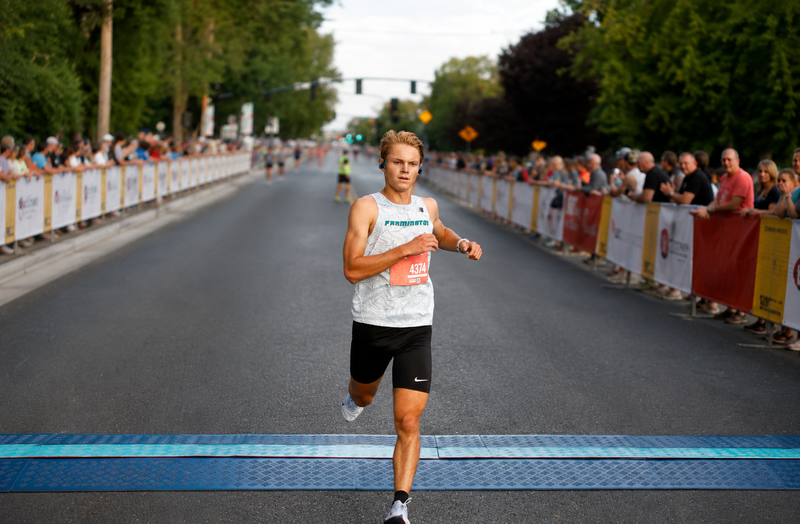
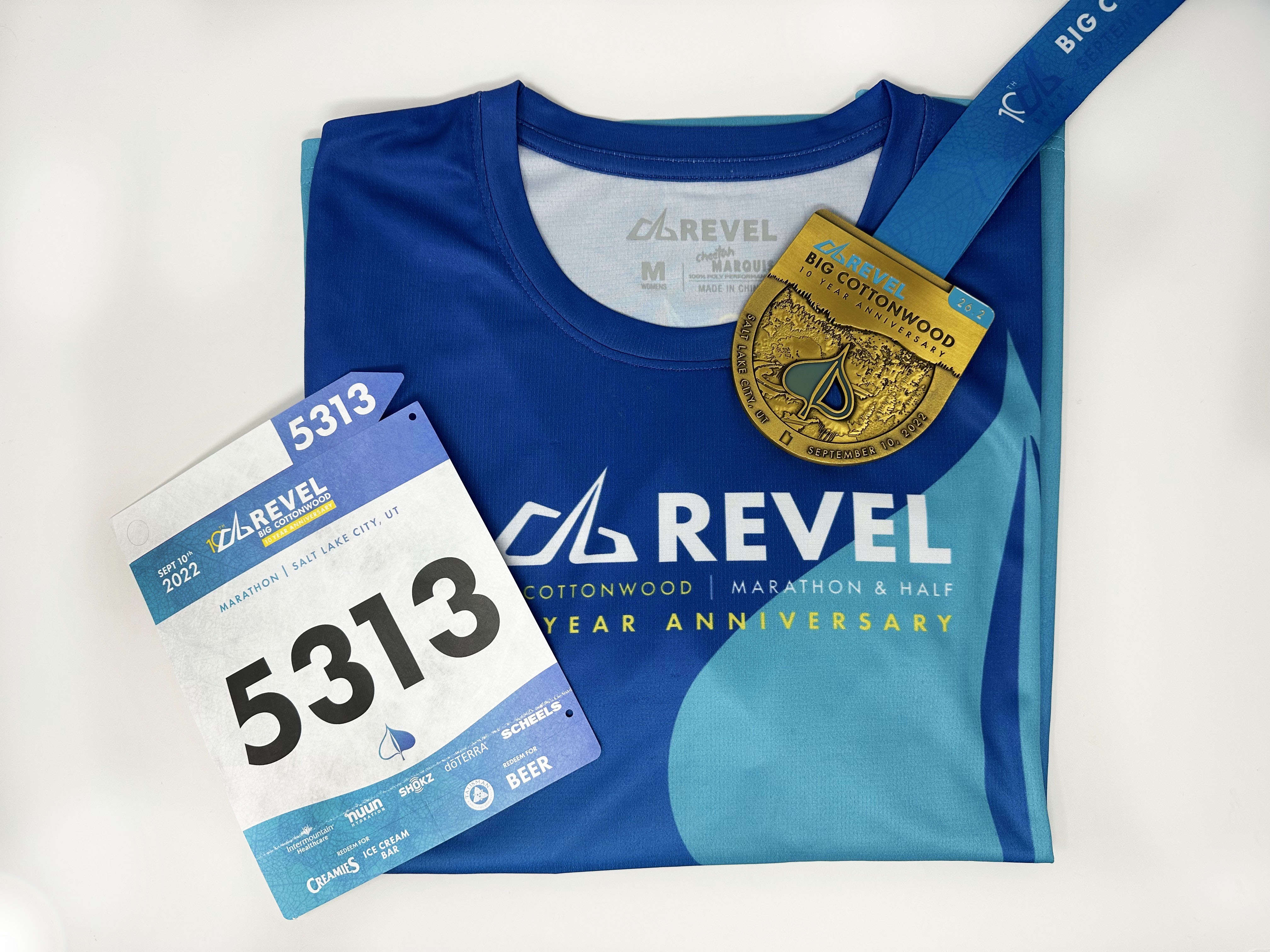
The medal goes in a drawer. The finish line photo gets posted and buried within 48 hours. What felt visceral on Sunday morning becomes a blur by Wednesday.

Read post

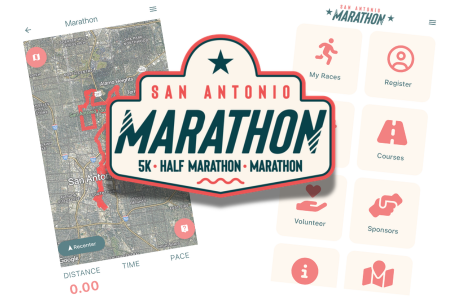
Why a Branded Race App Changes the Experience

Most race directors feel digitally covered.

Read post

When Timing Gets Booked Instead of Built

The timing call comes in at six to eight weeks to race day. The course is already certified, the schedule is locked, the permit is filed. Now someone needs timing solved and a results page live by race morning.

Read post

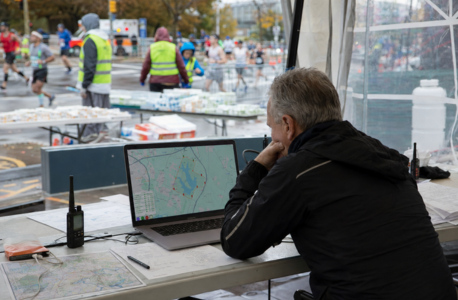
Race Day’s Hardest Hour is a Data Problem

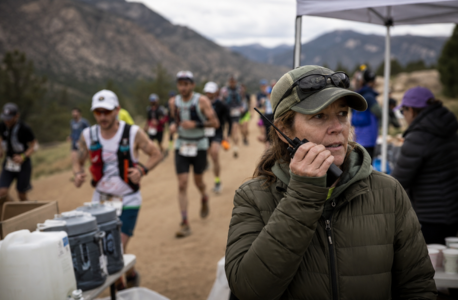
The radio hasn't stopped for forty minutes.

Read post

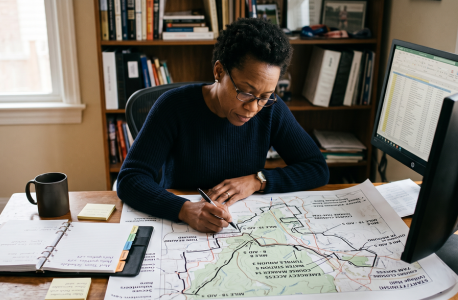
The End of Course Blindness

You're sitting at mile 20. Four things happen at once.

Read post

Race Day Is a Live Production. The Infrastructure Has to Match.

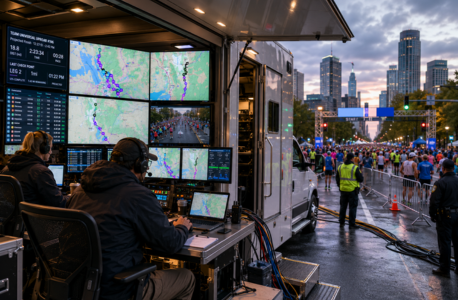
A network broadcast crew doesn't show up on game day and figure it out. Producers block every camera angle. Engineers test every feed. The director in the truck knows exactly where every signal is coming from and what happens if one drops.

Read post

The Most Important AI Use Case in Endurance Sports Has Nothing to Do With Coaching

This article was originally published on For The Long Run.

Read post

The Psychology of Shout-Outs: Why In-Race Encouragement Changes What Runners Can Do

At any marathon start line, you'll see a spectrum of ambition packed into a single corral.

Read post

From Spectator to Superfan

She's been standing at mile 18 for twenty minutes, watching every runner who passes, unsure if she already missed the person she came to cheer for. The last timing update was miles ago. No map, no signal, no way to know if her person is close or struggling or already gone.

Read post

The Evolution of Race Timing

From Stopwatches to High-Density Checkpoint Networks

Read post

Modern Race Timing: The Power of Checkpoint Density

Why checkpoint density drives accuracy, safety, and the race-day experience

Read post

Expanding Race Timing: The Power of Laurel Splits

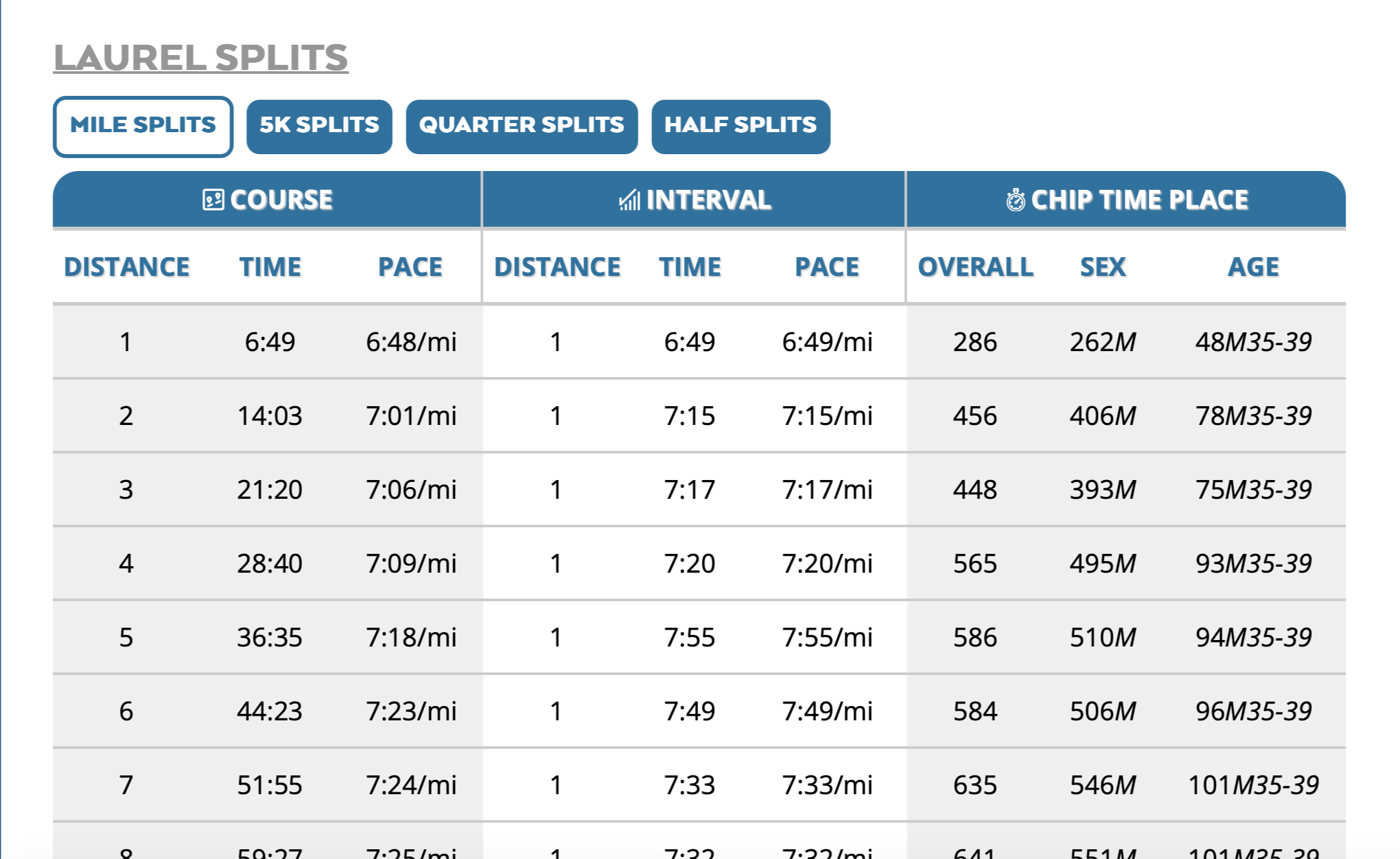
Up until now, timers have had the important job of capturing a start and finish time, along with a few splits in between. Those splits have traditionally been placed at strategic locations on the course, up to every 5K and maybe some specific cheater splits. We're redefining how timers present data, shifting from just reporting splits to telling the whole story of the race.

Read post

A Guide to Promoting Brooksee's Laurel Tracking System to Your Participants

When sharing event details, it’s helpful to emphasize that no app is needed for live tracking. Spectators can track participants directly at track.brooksee.com (each event has its own direct link). Participants do not need to carry a phone or watch for live tracking to function.

Read post

Streamlining Packet Pickup: Ensuring a Seamless Participant Experience

When it comes to organizing events, capturing as many participants as possible is a top priority. One crucial aspect that can significantly impact the success of an event is the packet pickup process. An efficient and smooth packet pickup not only enhances the overall participant experience but also enables event organizers to keep registrations open until the last possible moment, attracting late or same-day registrants. In this blog post, we will explore practical strategies provided by Brooksee to optimize the packet pickup process and ensure a seamless experience for both organizers and participants.

Read post

What is the difference between chip and gun time?

When it comes to timing a marathon race, there are two methods that are commonly used: chip time and gun time. While both methods serve the same purpose of measuring a runner's time, there are some significant differences between the two.

Read post